Understanding OSI layers from Security View – Physical Layer
admin
Jun 21, 2023
 2 min Read
 Shares
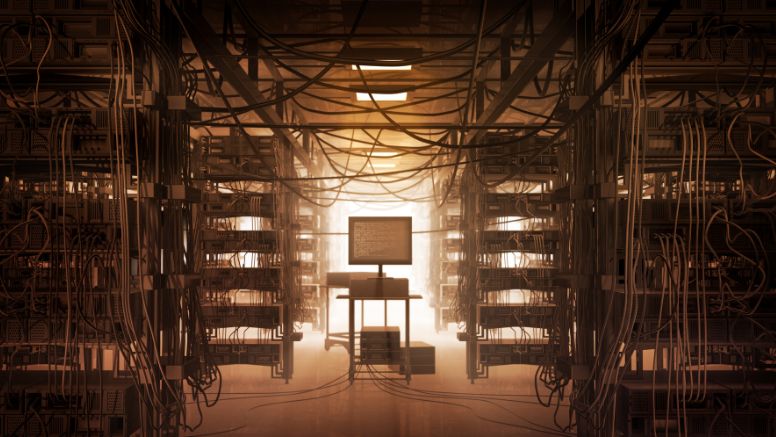
Physical Layer : How to Safeguard Physical Layer from Any Cyber Attacks
While the physical layer of the OSI model primarily deals with the transmission of data over a communication medium, there are still potential attacks and cyber threats that can target this layer. Here are some common attacks that can occur at the physical layer:
- Physical Access Attacks: Unauthorized individuals gaining physical access to network infrastructure can pose a significant threat. Attackers may attempt to connect rogue devices, tamper with cables, or disrupt power supply to compromise the network.
- Cable Tapping: Attackers may attempt to tap into network cables to eavesdrop on the transmitted data. This can be done by physically intercepting the cables or using specialized equipment to siphon off data.
- Cable Damage or Destruction: Deliberate damage to network cables, such as cutting or severing them, can disrupt network connectivity or cause denial-of-service (DoS) situations.
- Interference: Electromagnetic interference (EMI) or radio frequency interference (RFI) can disrupt or degrade the quality of signals transmitted over the network, resulting in data corruption or loss.
- Fiber Optic Tapping: Fiber optic cables, although more secure than traditional copper cables, can still be vulnerable to tapping or interception. Attackers may attempt to intercept the light signals transmitted through the fibers.
- Power Supply Manipulation: Attacks targeting the power supply to network devices, such as injecting power surges or intentionally causing power failures, can disrupt network operations or damage equipment.
- Physical Device Theft: Theft of network devices or hardware can lead to unauthorized access, data breaches, or potential compromise of sensitive information.
It’s important to implement measures to mitigate these physical layer attacks, such as:
- Restricting physical access to network infrastructure by implementing access control mechanisms and surveillance systems.
- Securing network equipment in locked rooms or cabinets to prevent unauthorized tampering or theft.
- Implementing tamper-evident seals to detect any unauthorized physical access or tampering attempts.
- Encrypting sensitive data transmitted over the network to protect against cable tapping or interception.
- Regularly inspecting and monitoring network cables and connections for signs of damage or tampering.
- Utilizing cable shielding and proper grounding techniques to minimize the risk of EMI and RFI interference.
- Employing redundancy and backup power systems to ensure network resilience and minimize the impact of power-related attacks.
By addressing the physical security of network infrastructure, organizations can enhance the overall security posture of their systems and protect against potential physical layer attacks.
Audit-Ready PCI DSS
Don’t risk fines. Let our QSA team guide your certification process smoothly.
Request Consultation NDA Available
Popular Articles


Other Blogs
 Previous

 Blog
ISO/IEC 27701:2025 Transition: What Organizations Need to Know
ISO/IEC 27701 has entered a new phase. Published on 14 October 2025, ISO/IEC 27701:2025 replaces…
Read More Blog
PCI KMO Standard v1.0: What It Means for Payment Security
Learn what PCI KMO Standard v1.0 covers, who it affects, how it supports PIN and…
Read More Blog
Firewall Ruleset Review: What Your Rules Are Really Allowing
Every firewall does exactly what its rules tell it to do - nothing more. A…
Read More Blog
CEA Cyber Security Regulations 2026: Compliance Guide
The Central Electricity Authority (Cyber Security in Power Sector) Regulations, 2026 create an auditable cyber…
Read More Blog
Incident Response Planning for Regulated Entities in India
Every regulated entity has an incident response plan. It sits in a policy document, usually…
Read More Blog
AI Governance and Compliance in Indian Financial Services
Indian banks, NBFCs, and insurance companies are deploying AI across credit scoring, fraud detection, customer…
Read More Blog
FAQ: Cloud Compliance Questions From Fintech CTOs
Any cloud provider with data center regions in India - AWS (Mumbai and Hyderabad), Azure…
Read More Blog
RBI Cybersecurity Directions 2026: A Complete Compliance Guide
RBI's approach to cybersecurity regulation has evolved from advisory circulars to mandatory directions. The regulatory…
Read MoreReady to become compliant?
Talk to QRC to understand your scope, close gaps, and move confidently
toward validation readiness.