Understanding OSI Layers From Security View – Transport Layer

Transport Layer: How to Safeguard from Any Cyber Attacks

The transport layer of the OSI model is responsible for reliable end-to-end communication between applications on different hosts. It ensures the reliable delivery of data and provides mechanisms for error recovery, flow control, and segmentation/reassembly of data. While the transport layer primarily focuses on data transfer, there are several attacks and cyber threats that can target this layer. Here are some common attacks that can occur at the transport layer:

  1. Denial-of-Service (DoS) Attacks: Attackers can launch DoS attacks at the transport layer to overwhelm network resources or consume the processing power of target systems. This can be achieved through techniques like SYN flooding, which involves sending a flood of TCP SYN packets to exhaust server resources.
  2. TCP/IP Hijacking: Attackers may attempt to hijack established TCP connections to gain unauthorized access or tamper with data. This can be done through techniques like session hijacking or TCP sequence number prediction.
  3. Man-in-the-Middle (MitM) Attacks: MitM attacks involve intercepting and manipulating communication between two parties. Attackers can eavesdrop on or modify data exchanged at the transport layer, potentially leading to data leakage or unauthorized access.
  4. Port Scanning and Enumeration: Attackers often scan target systems to identify open ports and services. By scanning and enumerating ports, attackers can gather information about potential vulnerabilities or target specific services for exploitation.
  5. Transport Layer Protocol Exploitation: Vulnerabilities in transport layer protocols, such as TCP or UDP, can be exploited by attackers to disrupt or manipulate communication. Exploits targeting these protocols may lead to unauthorized access, data corruption, or service disruptions.
  6. TCP/IP Fragmentation Attacks: Attackers can manipulate TCP/IP fragmentation mechanisms to disrupt communication or bypass security controls. By sending specially crafted fragmented packets, attackers may evade detection or cause resource exhaustion.
  7. Connection Hijacking: Attackers may attempt to hijack existing TCP connections by intercepting and taking over the communication between two hosts. This can be achieved by forging or guessing TCP sequence numbers and injecting malicious data into the ongoing communication.

To prevent and mitigate attacks at the transport layer, consider implementing the following measures:

  • Implement Firewall Rules: Configure firewalls to allow only necessary incoming and outgoing traffic on specific transport layer ports. Use stateful inspection to track the state of connections and prevent unauthorized access.
  • Secure Transport Layer Protocols: Utilize secure versions of transport layer protocols, such as TLS (Transport Layer Security) or SSL (Secure Sockets Layer), to encrypt data in transit and ensure the integrity of communication.
  • Implement Intrusion Detection/Prevention Systems (IDS/IPS): Deploy IDS/IPS solutions to monitor network traffic at the transport layer and detect suspicious activities or known attack patterns.
  • Apply Strong Authentication: Implement strong authentication mechanisms, such as digital certificates or multi-factor authentication, to ensure the authenticity of communication and prevent unauthorized access.
  • Regularly Update Software: Keep transport layer protocols, applications, and underlying frameworks updated with the latest security patches to address known vulnerabilities.
  • Enable Network Traffic Monitoring: Deploy network monitoring tools to analyze transport layer traffic patterns, detect anomalies, and identify potential attacks or abnormal behaviors.
  • Implement Connection Timeouts: Set appropriate connection timeout values to terminate idle or inactive connections and prevent connection hijacking or resource exhaustion.
  • Employ Transport Layer Encryption: When transmitting sensitive data over the network, use encryption mechanisms provided by transport layer protocols, such as TLS or SSL, to protect against eavesdropping and data manipulation.

By implementing these preventive measures and maintaining strong security practices, organizations can enhance the security and integrity of communication at the transport layer, mitigating the risks associated with attacks targeting this layer.


Understanding OSI Layers From Security View – Network Layer

Network Layer: How to Safeguard from Any Cyber Attacks

The network layer of the OSI model is responsible for routing and forwarding data packets across different networks. It plays a crucial role in delivering data from the source to the destination. While the network layer provides essential functionalities for network communication, it is also susceptible to various attacks and cyber threats. Here are some common attacks that can occur at the network layer:

  1. IP Spoofing: Attackers can forge or manipulate the source IP address in an IP packet to impersonate a trusted entity or evade detection. IP spoofing can be used to launch DoS attacks, perform reconnaissance, or bypass access controls.
  2. Denial-of-Service (DoS) Attacks: Attackers can flood a network or specific IP addresses with an excessive amount of traffic, overwhelming network resources and causing service disruptions. DoS attacks can be launched through techniques like ICMP flooding, SYN flooding, or UDP flooding.
  3. Distributed Denial-of-Service (DDoS) Attacks: Similar to DoS attacks, DDoS attacks involve multiple compromised systems, forming a botnet to generate a massive volume of traffic and overwhelm network infrastructure. DDoS attacks can cause severe disruptions and make it difficult to mitigate the attack.
  4. IP Fragmentation Attacks: Attackers can manipulate IP fragmentation, which is the process of breaking IP packets into smaller fragments for transmission. By exploiting weaknesses in IP fragmentation implementations, attackers can disrupt network traffic, bypass firewalls, or cause resource exhaustion.
  5. IP Address Scanning and Probing: Attackers often scan networks to identify hosts, services, and potential vulnerabilities. They may use tools like port scanners or network mapping techniques to gather information about target systems and plan further attacks.
  6. Routing Attacks: Attackers can manipulate routing protocols, such as Border Gateway Protocol (BGP), to divert or intercept network traffic, leading to traffic hijacking or man-in-the-middle attacks. Routing attacks can be used for eavesdropping, data interception, or disrupting network connectivity.
  7. IPsec Attacks: IPsec (Internet Protocol Security) is a commonly used protocol suite for securing IP communications. Attackers can target weaknesses in IPsec implementations to bypass encryption, tamper with encrypted data, or launch attacks to compromise security associations.

To prevent and mitigate attacks at the network layer, consider implementing the following measures:

  • Use robust firewall configurations: Implement firewalls to filter and control incoming and outgoing network traffic based on predefined rules and policies.
  • Implement Intrusion Detection/Prevention Systems (IDS/IPS): Deploy IDS/IPS solutions to monitor network traffic, detect suspicious activities, and respond to potential threats.
  • Secure routing protocols: Implement secure routing protocols and mechanisms, such as authentication and encryption, to protect against routing attacks and unauthorized routing changes.
  • Implement Access Control Lists (ACLs): Utilize ACLs to control access to network resources, limit traffic based on source/destination IP addresses, and prevent unauthorized network access.
  • Enable network traffic monitoring: Deploy network monitoring tools to monitor and analyze network traffic patterns, detect anomalies, and identify potential attacks.
  • Enable IP spoofing prevention mechanisms: Implement anti-spoofing techniques, such as ingress and egress filtering, to prevent IP spoofing and protect against forged traffic.
  • Update and patch network devices: Regularly update firmware and apply security patches to network devices, including routers, switches, and firewalls, to address known vulnerabilities.
  • Implement network segmentation: Utilize network segmentation techniques, such as Virtual LANs (VLANs) or network virtualization, to isolate critical network segments and limit the impact of potential attacks.

By implementing these preventive measures and maintaining a proactive approach to network security, organizations can enhance the resilience of their networks against attacks targeting the network layer.

Understanding OSI Layers From Security View – Data Link Layer

Data Link Layer : How to Safeguard from Any Cyber Attacks

The data link layer of the OSI model is responsible for establishing reliable point-to-point connections and ensuring error-free transmission of data. While attacks at this layer are not as common as those at higher layers, there are still a few potential attacks and cyber threats that can target the data link layer. Here are some examples:

  1. MAC Spoofing: Attackers can manipulate the Media Access Control (MAC) address of their network interface card (NIC) to impersonate a legitimate device on the network. By spoofing MAC addresses, they can gain unauthorized access to the network or launch further attacks.
  2. Address Resolution Protocol (ARP) Spoofing: In ARP spoofing attacks, attackers manipulate the ARP tables on network devices, sending fake ARP responses to associate their MAC address with the IP address of another legitimate device. This allows them to intercept or manipulate network traffic.
  3. VLAN Hopping: Attackers attempt to bypass VLAN (Virtual Local Area Network) segmentation by exploiting misconfigurations or vulnerabilities in network switches. By sending specially crafted frames, they can gain unauthorized access to VLANs that they are not supposed to access.
  4.   Denial-of-Service (DoS) Attacks: At the data link layer, attackers can flood the network with an overwhelming amount of traffic, consuming network resources and causing disruptions in legitimate communication. This can be achieved through techniques like MAC flooding or link saturation attacks.
  5.   Spanning Tree Protocol (STP) Manipulation: The Spanning Tree Protocol is responsible for preventing loops in switched networks. Attackers can manipulate the STP configuration or send spoofed Bridge Protocol Data Units (BPDUs) to disrupt network operations or launch attacks, such as creating network loops.
  6. Data Link Layer Protocol Exploitation: Vulnerabilities in data link layer protocols, such as Ethernet or Wi-Fi protocols, can be exploited by attackers to gain unauthorized access, intercept or manipulate data, or perform various other malicious activities.

To prevent and mitigate attacks at the data link layer, consider implementing the following measures:

  • Use secure protocols: Utilize secure data link layer protocols, such as IEEE 802.1X for port-based authentication or Wi-Fi Protected Access (WPA2/WPA3) for wireless security.
  • Implement MAC address filtering: Configure network devices to allow only authorized MAC addresses to access the network.
  • Enable port security: Utilize features like port security on network switches to restrict the number of MAC addresses allowed per port and prevent MAC address spoofing.
  • Monitor ARP traffic: Implement measures to detect and prevent ARP spoofing attacks, such as using ARP inspection or dynamic ARP inspection (DAI).
  • Implement VLAN security: Apply best practices for VLAN configuration and segregation, such as utilizing VLAN access control lists (VACLs) and ensuring proper VLAN pruning.
  • Employ network monitoring and anomaly detection: Implement network monitoring tools to identify abnormal traffic patterns and potential DoS attacks.
  • Keep firmware and software updated: Regularly update the firmware and software of network devices to address any known vulnerabilities in data link layer protocols.

By implementing these preventive measures and maintaining strong security practices, organizations can help mitigate the risks associated with attacks targeting the data link layer of the network.

Understanding OSI layers from Security View – Physical Layer

Physical Layer : How to Safeguard Physical Layer from Any Cyber Attacks

While the physical layer of the OSI model primarily deals with the transmission of data over a communication medium, there are still potential attacks and cyber threats that can target this layer. Here are some common attacks that can occur at the physical layer:

  1. Physical Access Attacks:  Unauthorized individuals gaining physical access to network infrastructure can pose a significant threat. Attackers may attempt to connect rogue devices, tamper with cables, or disrupt power supply to compromise the network.
  2. Cable Tapping:  Attackers may attempt to tap into network cables to eavesdrop on the transmitted data. This can be done by physically intercepting the cables or using specialized equipment to siphon off data.
  3. Cable Damage or Destruction:  Deliberate damage to network cables, such as cutting or severing them, can disrupt network connectivity or cause denial-of-service (DoS) situations.
  4. Interference:  Electromagnetic interference (EMI) or radio frequency interference (RFI) can disrupt or degrade the quality of signals transmitted over the network, resulting in data corruption or loss.
  5. Fiber Optic Tapping:  Fiber optic cables, although more secure than traditional copper cables, can still be vulnerable to tapping or interception. Attackers may attempt to intercept the light signals transmitted through the fibers.
  6. Power Supply Manipulation:  Attacks targeting the power supply to network devices, such as injecting power surges or intentionally causing power failures, can disrupt network operations or damage equipment.
  7. Physical Device Theft:  Theft of network devices or hardware can lead to unauthorized access, data breaches, or potential compromise of sensitive information.

It’s important to implement measures to mitigate these physical layer attacks, such as:

  • Restricting physical access to network infrastructure by implementing access control mechanisms and surveillance systems.
  • Securing network equipment in locked rooms or cabinets to prevent unauthorized tampering or theft.
  • Implementing tamper-evident seals to detect any unauthorized physical access or tampering attempts.
  • Encrypting sensitive data transmitted over the network to protect against cable tapping or interception.
  • Regularly inspecting and monitoring network cables and connections for signs of damage or tampering.
  • Utilizing cable shielding and proper grounding techniques to minimize the risk of EMI and RFI interference.
  • Employing redundancy and backup power systems to ensure network resilience and minimize the impact of power-related attacks.

By addressing the physical security of network infrastructure, organizations can enhance the overall security posture of their systems and protect against potential physical layer attacks.

Understanding OSI layers from Security View – Introduction

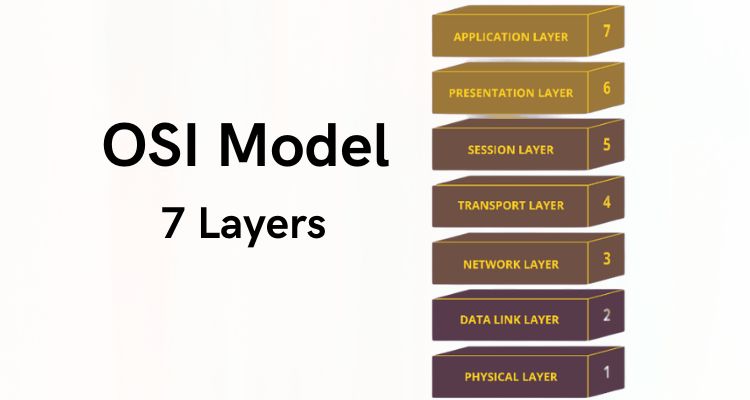
The OSI model, or the Open Systems Interconnection model, is a conceptual framework that standardizes and describes the functions of a communication system. It was developed by the International Organization for Standardization (ISO) in the late 1970s to facilitate interoperability between different computer systems and networks. The OSI model is composed of seven distinct layers, each serving a specific purpose and responsible for a particular aspect of data communication. These layers work together to enable communication between devices and ensure that data is transmitted accurately and efficiently across a network.


Let’s briefly explore each layer:

  1. Physical Layer: This is the lowest layer of the OSI model and deals with the physical transmission of data over a communication medium. It defines the electrical, mechanical, and physical specifications required to establish and maintain a physical link between network devices.
  2. Data Link Layer: The data link layer provides a reliable point-to-point connection for data transmission. It handles error detection and correction, as well as data framing, addressing, and flow control. Ethernet and Wi-Fi are examples of data link layer protocols.
  3. Network Layer: The network layer is responsible for the routing and forwarding of data packets across different networks. It determines the optimal path for data transmission, performs logical addressing, and handles congestion control. IP (Internet Protocol) is a widely used network layer protocol.
  4. Transport Layer: The transport layer ensures reliable and transparent end-to-end data transfer between hosts. It establishes connections, segments data into smaller units, manages flow control, and provides error recovery mechanisms. TCP (Transmission Control Protocol) and UDP (User Datagram Protocol) are common transport layer protocols.
  5. Session Layer: The session layer establishes, maintains, and terminates connections between applications on different network devices. It enables synchronization, checkpointing, and recovery of communication sessions.
  6. Presentation Layer: The presentation layer is responsible for data representation, encryption, compression, and formatting. It ensures that data from the application layer is properly formatted and compatible with the receiving device.
  7. Application Layer: The application layer is the topmost layer and interacts directly with end-user applications. It provides network services and supports protocols for specific applications, such as HTTP (Hypertext Transfer Protocol) for web browsing and SMTP (Simple Mail Transfer Protocol) for email.

By dividing the network communication process into these seven layers, the OSI model allows for modular design, easier troubleshooting, and the ability to replace or upgrade individual layers without affecting the entire system.

Understanding the OSI model and its layers is crucial for network administrators, engineers, and anyone involved in designing, implementing, or troubleshooting computer networks. It provides a common reference point for communication protocols and helps ensure interoperability in complex network environments.

Enhancing Security: PAN Removal and Secure Hashing – II

III. Keyed Cryptographic Hashing Algorithms :

To augment the security of hashed PANs, organizations can employ keyed cryptographic hashing algorithms. These algorithms incorporate a randomly generated secret key into the hashing process, significantly enhancing data protection against brute force attacks and ensuring secret authentication integrity.

HMAC (Hash-based Message Authentication Code):

HMAC is a widely used keyed cryptographic hashing algorithm that combines cryptographic hash functions with a secret key. It provides a robust mechanism to verify the integrity and authenticity of data. HMAC employs a specific hash function, such as SHA-256, along with a secret key, to generate a unique hash value for each PAN.

The process of computing an HMAC involves the following steps:

  1. a) Message Padding:The PAN is padded to ensure a consistent length, as required by the hash function.
  2. b) Key Padding:The secret key is also padded to match the block size of the underlying hash function.
  3. c) Inner Hash:The padded secret key is XORed with a predefined inner padding value, and the result is concatenated with the padded PAN. The concatenated data is then hashed using the chosen hash function.
  4. d) Outer Hash:The hashed result from the inner hash step is concatenated with the padded secret key XORed with a predefined outer padding value. The combined data is hashed again using the chosen hash function.

The final output of the HMAC process is the unique hash value that represents the PAN’s integrity and authenticity. Verifying the integrity of a PAN involves re-computing the HMAC using the stored secret key and comparing the generated hash value with the stored hash value.

CMAC (Cipher-based Message Authentication Code):

CMAC is another keyed cryptographic hashing algorithm that provides enhanced security by preventing known-plaintext attacks. It is based on a block cipher, such as AES (Advanced Encryption Standard), and employs a secret key to generate a message authentication code.

The process of computing a CMAC involves the following steps:

  1. a) Initialization:The CMAC algorithm initializes the block cipher with the secret key, setting up the initial state.
  2. b) Message Processing:The PAN is processed block by block using the block cipher’s encryption function, incorporating the secret key and the previous block’s result.
  3. c) Padding:If the PAN length is not a multiple of the block size, padding is applied to ensure a complete block.
  4. d) Finalization:The final block is processed using the block cipher, producing the CMAC value.

Similar to HMAC, verifying the integrity of a PAN using CMAC involves re-computing the CMAC value and comparing it to the stored value.

GMAC (Galois Message Authentication Code):

GMAC is a keyed cryptographic hashing algorithm primarily used in authenticated encryption schemes, providing both confidentiality and integrity assurances. It employs a secret key, a nonce (a unique number used once), and a message to generate a MAC (Message Authentication Code) that guarantees data integrity and authenticity.

The process of computing a GMAC involves the following steps:

  1. a) Initialization:The GMAC algorithm initializes the Galois field, incorporating the secret key.
  2. b) Message Processing:The PAN, along with the nonce, is processed block by block using the Galois field multiplication and addition operations.
  3. c) Finalization:The final GMAC value is generated by processing the last block and incorporating the final Galois field calculations.

GMAC enables the recipient of the PAN to validate the integrity and authenticity of the data by re-computing the GMAC value using the received PAN, the same secret key, and the nonce.

Conclusion:

In an era where data breaches and unauthorized access pose significant threats to organizations and their customers, implementing robust data security measures is crucial. Cleartext PAN removal serves as a critical defense-in-depth control, ensuring that stored PANs remain protected even in the event of an unauthorized breach. By encrypting or hashing PANs, organizations mitigate the risk of exposing sensitive data to unauthorized individuals.

Furthermore, secondary independent control systems, including cryptographic key management and governance frameworks, bolster the overall security posture. These systems ensure that access to cryptographic and decryption keys is tightly controlled, reducing the likelihood of unauthorized access and misuse.

Keyed cryptographic hashing algorithms, such as HMAC, CMAC, and GMAC, provide an additional layer of security by incorporating randomly generated secret keys. These algorithms resist brute force attacks and enhance the integrity and authenticity of hashed PANs.

By adopting these practices, organizations demonstrate a commitment to data security, safeguarding sensitive information and maintaining the trust of their customers and stakeholders. It is imperative to continually reassess and update data security measures to stay ahead of evolving threats and ensure the long-term protection of valuable data assets.