- Structured Approach to Internal Controls: The COSO framework provides a well-established and widely recognized structure for designing, implementing, and monitoring internal controls. By aligning their internal control practices with the COSO framework, organizations can ensure that their control environment is comprehensive and systematic, which is crucial for the SOC attestation process.
- Risk Assessment: One of the core components of the COSO framework is risk assessment. It encourages organizations to identify, assess, and prioritize risks that could impact their objectives. This emphasis on risk assessment is directly applicable to SOC engagements. When organizations evaluate risks associated with their processes and services, they are better equipped to implement controls that address those risks. This proactive approach to risk management aligns with the expectations of SOC auditors.
- Control Activities: The COSO framework places a strong emphasis on control activities, which are the policies, procedures, and practices that help ensure that an organization’s objectives are achieved. These control activities are essential for the achievement of internal control objectives, and they are a central focus of SOC audits. By integrating the COSO framework, organizations can enhance the design and implementation of control activities, making them more robust and effective.
- Monitoring Activities: The COSO framework stresses the importance of ongoing monitoring of internal controls to ensure their effectiveness. This ongoing monitoring aligns with the requirements of SOC attestations, which demand evidence of continuous monitoring of controls. Organizations that have already integrated COSO-based monitoring practices are better positioned to provide the necessary evidence for SOC audits.
- Transparency and Documentation: The COSO framework promotes transparent and well-documented internal control processes. This documentation can serve as a strong foundation for SOC reports, as auditors expect to see comprehensive documentation of controls, risk assessments, and other relevant processes. Organizations that have implemented the COSO framework are more likely to have the necessary documentation readily available for SOC audits.
- Efficient Remediation: In the context of COSO, the framework encourages organizations to identify control deficiencies and weaknesses and promptly address them. This practice aligns with SOC readiness, as organizations that have already embraced a proactive approach to remediating control deficiencies can expedite the remediation process when preparing for SOC audits.
Author: admin
Cybersecurity Compliance and e-Rupee: Need for Strong Measures
With the rise of digitalization, the world has witnessed a transformation in the way transactions are conducted. From traditional banking systems to digital payment options, technology has made our lives easier and more convenient. The advent of digital currencies and blockchain technology has revolutionized the financial world. Digital currencies have gained immense popularity in recent times, and governments around the world are exploring the possibilities of creating their digital currencies. In India, the Reserve Bank of India (RBI) is reportedly working on creating a digital version of the Indian Rupee, which is commonly referred to as the “Digital Rupee.”
RBI has launched a pilot for its retail-based central bank digital currency (CBDC), the e₹-R, as of December 1, 2022. This digital token holds the same value as legal tender and is distributed in the same denominations as paper currency. The banks act as financial intermediaries in distributing the e₹-R, and users can transact with it through a digital wallet provided by participating banks. These transactions can be made between individuals (P2P) or between individuals and merchants (P2M). The e₹-R offers the same trusted, safe, and final settlement features as physical cash, but like cash, it does not earn interest and can be converted to other forms of money such as bank deposits.
However, the increasing use of digital currencies and the implementation of the Digital Rupee come with several challenges, particularly when it comes to cybersecurity. The central bank has emphasized the need for robust cybersecurity measures, as cyberattacks and frauds have become a major concern in the digital world.
These measures include :
- Compliance with Information Security Management Systems (ISMS) standards: Organizations involved in the creation and distribution of the Digital Rupee must comply with the ISMS standards set by the RBI.
- Regular security audits: Organizations must conduct regular security audits to identify any vulnerabilities and take appropriate measures to address them.
- Encryption technologies: Encryption technologies must be adopted to secure transactions and prevent data breaches.
- Use of multi-sig wallets: Organizations are encouraged to use multi-sig wallets, which allow multiple parties to sign a transaction, making it more secure and preventing unauthorized access.
- Cold storage: Organizations must store the Digital Rupee in cold storage, which involves storing the currency offline to prevent cyberattacks.
- Best practices: Organizations must follow the best practices laid down by the RBI to ensure the security of the Digital Rupee.
These guidelines and regulations ensure that the Digital Rupee remains secure and protected against cyber threats. The RBI’s commitment to ensuring the security of the Digital Rupee will play a crucial role in its success and widespread adoption.
Organization Security Implementation – Systematic approach
Creating a secure organization is a complex and vital aspect for any business or organization, that requires a systematic approach. Organizations must take a step-by-step approach to build secure processes and systems with the help of appropriate people, process, and technological controls. Building a secure environment is not a one-time event but a continuous process that requires a systematic approach.
Step 1: Assess the Current Organization Risks
The first step in creating a secure organization is to assess the current state of security within the organization. Main part is to identify and assess the risks that the organization faces. As a starting point, this assessment should consider all business functions of the organizations and their corresponding dependent outsourced functions if any.
Identify the assets that need to be protected, the potential threats that could compromise those assets, and the likelihood of those threats occurring. Once the risks have been identified, organizations can then take appropriate measures to mitigate them. Once the current state of security has been identified, the organization can then develop a plan to address any identified vulnerabilities and risks.
Step 2: Implement Appropriate Controls to Mitigate the Risks
The second step is to implement controls to protect assets. These controls can be grouped into three categories: people, process, and technology. These controls should be designed to mitigate the organization’s risks, while also considering the organization’s unique needs and requirements.
- People controls include policies and procedures that ensure that employees are aware of their role in maintaining security and that they understand their responsibilities. Example of People Controls such as employee training and awareness programs, as well as background checks and security clearances for employees etc.,
- Process controls include procedures and guidelines for how the organization handles sensitive information and how it responds to security incidents. Process controls include things such as security policies and procedures, incident response plans, and business continuity plans.
- Technology controls include physical and digital security measures such as firewalls, intrusion detection systems, and encryption.
Step 3: Monitoring and Review
The third step is to monitor and review the organization’s security posture. This includes regularly review, Test and update the controls to ensure they are still effective in protecting the organization and they are functioning as intended and that they are keeping the organization protected. This includes reviewing policies and procedures to ensure that they are up-to-date and effective, regular security assessments, penetration testing, and vulnerability assessments to identify any new vulnerabilities etc.,
In addition, organizations should also establish a culture of security within the organization. This includes educating employees about the importance of security and the role they play in maintaining it. It also includes holding employees accountable for adhering to security policies and procedures.
Step 4: Continual Improvement.
The final step is to continuously improve the organization’s security posture. This includes staying informed about new threats and vulnerabilities, identifying new risks, and implementing new controls as needed.
Conclusion:
In conclusion, creating a secure organization requires a systematic approach that involves identifying risks, implementing controls, monitoring, and continuously improving the security posture. Organizations should take a step-by-step approach and should not hesitate to seek the help of experts in the field if needed. Remember that security is an ongoing process, and it’s important to be proactive and keep your organization’s security posture current.
BFSI: PCI and other Regulatory Requirements
The banking industry is undergoing a digital transformation, with more and more financial transactions taking place online and an increasing volume of sensitive financial data being handled by banks. This shift towards digital banking has brought about many benefits, such as increased convenience and accessibility for customers, but it has also introduced new challenges, particularly in terms of cyber security.
To address these challenges, the Reserve Bank of India (RBI) has recently released new guidelines for cyber security for banks operating in India. These guidelines aim to strengthen the security infrastructure of banks and protect sensitive financial information from cyber threats. Compliance with these guidelines is mandatory for all banks and failure to do so may result in penalties and fines. Some of these circulars referred below for the reference. Please note that, these circulars might be got revised later years, without intact the original requirements.
| Regulator | Subject | Circular Number | |
|---|---|---|---|
| RBI | Storage of Payment System Data | DPSS.CO.OD.No 2785/06.08.005/2017-18 dated April 06, 2018, | |
| RBI | Guidelines on Regulation of Payment Aggregators and Payment Gateways | DPSS.CO.PD.No.1810/02.14.008/2019-20 March 17, 2020 (Annexure 2) | |
| RBI | Cyber Security Framework in Banks | DBS.CO/CSITE/BC.11/33.01.001/2015-16 June 2, 2016 | |
| RBI | Master Direction – Information Technology Framework for the NBFC Sector | Master Direction DNBS.PPD.No.04/66.15.001/2016-17 June 08, 2017 | |
| RBI | Guidelines on Information security, Electronic Banking, Technology risk management and cyber frauds | DBS.CO.ITC.BC.No. 6/31.02.008/2010-11 April 29, 2011 | |
| RBI | Master Direction on Digital Payment Security Controls | DoS.CO.CSITE.SEC.No.1852/31.01.015/2020-21 February 18, 2021 | |
| RBI | Basic Cyber Security Framework for Primary (Urban) Cooperative Banks (UCBs) | DCBS.CO.PCB.Cir.No.1/18.01.000/2018-19 | |
| RBI | Master Direction – Information Technology Framework for the NBFC Sector | DNBS.PPD.No.04/66.15.001/2016-17 June 08, 2017 | |
| RBI | Membership of Credit Information Companies (CICs) | DBR.No.CID.BC.60/20.16.056/2014-15 January 15, 2015 | |
In addition, the Indian government has also enacted Digital Personal Data Protection Bill, 2022, which lays down the framework for protection of personal data of individuals and makes it mandatory for organizations to comply with it. Banks are also under obligation to comply with the bill.
To meet most of the Security requirements and best practices mentioned in the above guidelines, as a starting point, banks may take some of the global standards/frameworks for implementation such as PCI DSS, ISO 27001 Etc., to protect sensitive customer information and ensure compliance with industry standards and regulatory requirements.
- PCI DSS (Payment Card Industry Data Security Standards) is a set of security standards that apply to organizations that accept credit and debit card payments. Compliance with these standards is mandatory for all banks that accept card payments and failure to do so can result in significant fines and penalties.
- ISO 27001 is an information security management standard that outlines the requirements for an information security management system (ISMS). Compliance with this standard demonstrates a commitment to protecting sensitive information and managing risk effectively.
- In addition to these specific compliance requirements, it is also important for banks to implement good cyber security practices to protect against a wide range of potential threats. This includes activities such as regular security testing, incident response planning, and employee education and awareness programs.
Not meeting these compliances can put the bank at significant risk. Failure to comply with PCI DSS can result in significant fines and reputational damage, while a lack of an effective ISMS can lead to data breaches and loss of sensitive customer information. Inadequate cyber security practices can also lead to costly data breaches and loss of customer trust.
Role of the C-Level Management:
As a CISO or CIO of a bank, the protection of sensitive customer information and compliance with industry standards and regulatory requirements is of the utmost importance. One of the keyways to ensure this is through compliance with PCI DSS, ISO 27001 and implementing good cyber security practices.
Key message for CISOs and CIOs to consider when implementing compliance with PCI DSS, ISO 27001 and good cyber security practices include:
- Compliance is not optional it is mandatory for maintaining the safety and security of customer data
- By implementing these standards, you are demonstrating a commitment to protecting sensitive information and managing risk effectively
- Regular security testing, incident response planning, and employee education and awareness programs are essential for maintaining good cyber security practices
As a CISO or CIO, it is important to take a proactive approach to compliance and implement regular security testing, incident response planning, and employee education and awareness programs to ensure that the bank’s information and assets are protected.
To achieve these compliances, the bank’s higher management should take the following additional activities:
- Regularly conduct Risk Assessments and Gap Analysis
- Implement Information Security Risk Management.
- Regularly conduct penetration testing and vulnerability assessment
- Regularly conduct security training for employees
- Implementing a robust incident response plan
- Regularly conduct internal and external audit.
In conclusion, compliance with PCI DSS, ISO 27001 and good cyber security practices is essential for protecting sensitive customer information and maintaining the safety and security of the bank’s infrastructure.
Scope of PCI DSS in General Banking Environment:
The Payment Card Industry Data Security Standards (PCI DSS) applies to all organizations that accept, process, store or transmit credit card information. Banks are required to comply with the PCI DSS to protect sensitive customer information and ensure the security of cardholder data.
In a bank, the major function that handles credit and debit card information is typically the card services, payment processing, Back Office etc. This services responsible for storing, transmitting, and processing card-related data.
The following areas, functions, and processes within a bank should be compliant with PCI DSS:
- Cardholder data environment (CDE): This includes all systems and networks that store, process, or transmit cardholder data, including servers, databases, applications, and point-of-sale terminals.
- Network infrastructure: This includes routers, switches, firewalls, and wireless networks that are used to connect the CDE to the rest of the bank’s systems and networks.
- Security controls: This includes firewalls, intrusion detection and prevention systems, and other security devices that are used to protect the CDE from unauthorized access.
- Access controls: This includes procedures for controlling access to the CDE, such as user authentication and authorization, and physical security measures to prevent unauthorized access to the CDE.
- Vulnerability management: This includes regular vulnerability scans, penetration testing, and vulnerability management to identify and remediate vulnerabilities in the CDE.
- Incident response: This includes incident response procedures that are in place to handle security breaches and other security incidents.
- Compliance and reporting: This include regular compliance testing and reporting to ensure that the bank is in compliance with the PCI DSS.
The new guidelines underscore the importance of digital transformation and the need for banks to take proactive measures to protect their customers’ information. Banks must now invest in advanced technology and security systems to safeguard the increasing volume of financial data they handle. This includes implementing multi-factor authentication, encryption, and intrusion detection systems, as well as regular security audits and assessments.
How QRC Can support Banks to meet these requirements:
- Being a PCI QSA Company, QRC support banks to Attain, Maintain, Retain PCI Compliances.
- Being a Cert-In Empanelled vendor, QRC Perform all types of Security Configuration Audits, Perform Vulnerability and Penetration testing on all bank critical assets like Networks, Servers, Applications and Other security Solutions.
- Having Qualified CISA Auditors, we can perform Information Systems and Cyber security assessments for the bank as per the requirement.
- Being a ISO Certification body, QRC Can Perform ISO 27001, ISO 27701 standards assessment and certify the banks for these compliances.
- QRC Can deploy proprietary GRC Platform called QRCAssist, for Managing all Compliances and effectively monitor the projects at levels within the Banks. Which also helps the banks to manage their day to day security functions and all audit data can be managed centrally.
In terms of PCI DSS Compliance QRC can support in the ways:
- Guiding Bank to determine the PCI DSS Scope and document the Card Data Flows.
- Perform readiness assessment w.r.t. PCI DSS Standard and Identify the gaps.
- Provide Remediation Plans for closing the Gaps
- Remediation Support while implementing PCI DSS Controls within the Banking environment.
- Conducting PCI Trainings for stakeholders
- Performing VA and PT and Application Security Testing
- Help the process owners to document required Policies, Procedures
- Perform PCI DSS Final Assessment and Issue the PCI DSS Certification.
The digital transformation of the banking industry is here to stay, and it is vital that banks take the necessary steps to protect their customers’ information. By complying with the RBI’s guidelines and investing in advanced security systems, banks can ensure the safety and security of their customers’ financial data and maintain their trust in the digital age.
Securing Your Data: Latest Breaches & Prevention Tips
Data breach is an incident where sensitive, confidential, or protected information is accessed, used, or disclosed without authorization. This can occur due to a variety of reasons such as hacking, phishing, malware, and other forms of cyber-attacks, as well as human error and system failures.
Data breaches can have serious consequences, including financial losses, legal penalties, and damage to an organization’s reputation. They can also lead to identity theft and other forms of fraud for individuals whose personal information is compromised.
Some notable information security breaches include:
- SolarWinds hack: In December 2020, it was discovered that hackers had breached the software supply chain of IT management company SolarWinds, affecting multiple government agencies and private companies. The cause of the breach is believed to be a supply chain attack in which the hackers inserted malware into a software update for the SolarWinds Orion platform.
- Marriott data breach: In November 2020, Marriott International announced that hackers had breached the Starwood guest reservation database, potentially exposing the personal information of millions of guests. The cause of the breach is believed to be a vulnerability in the database’s firewall.
- Twitter hack: In July 2020, a group of hackers took control of multiple high-profile Twitter accounts, including those of Barack Obama, Joe Biden, and Elon Musk. The cause of the hack was a phishing attack that allowed the hackers to gain access to the Twitter accounts of several employees.
- Zoom data leak: In July 2020, it was discovered that a database containing personal information of millions of Zoom users had been left exposed on the internet. The cause of the leak was misconfigured security settings on the database.
- Capital One data breach: In July 2019, a hacker was able to gain access to the personal information of over 100 million Capital One customers. The cause of the breach was a misconfigured firewall on a cloud-based server.
Possible causes of these breaches include:
- Supply chain attacks: As seen in the SolarWinds hack, attackers can target a company’s software supply chain to gain access to their networks.
- Phishing attacks: As seen in the Twitter hack, phishing attacks can be used to trick employees into giving away their login credentials.
- Vulnerabilities in software or hardware: As seen in the Marriott data breach, hackers can exploit vulnerabilities in software or hardware to gain access to sensitive information.
- Misconfigured security settings: As seen in the Zoom data leak, misconfigured security settings can leave sensitive information exposed to hackers.
To avoid similar breaches, organizations should:
- Implement strong security measures, such as firewalls, intrusion detection and prevention systems, and encryption.
- Regularly update and patch software and hardware to fix known vulnerabilities.
- Train employees to recognize and avoid phishing attempts.
- Regularly review and audit security settings to ensure that they are properly configured.
- Conduct regular security assessments and penetration testing to identify and address vulnerabilities.
- Monitor network and data activity to detect and respond to suspicious activity.
- Have incident response plan in place to quickly contain and mitigate the breach.
- Regularly backup data and have disaster recovery plan in place.
These are just a few examples of the recent information security breaches and possible ways to avoid them. It is important for organizations to stay informed of the latest threats and take proactive measures to protect their networks and data.
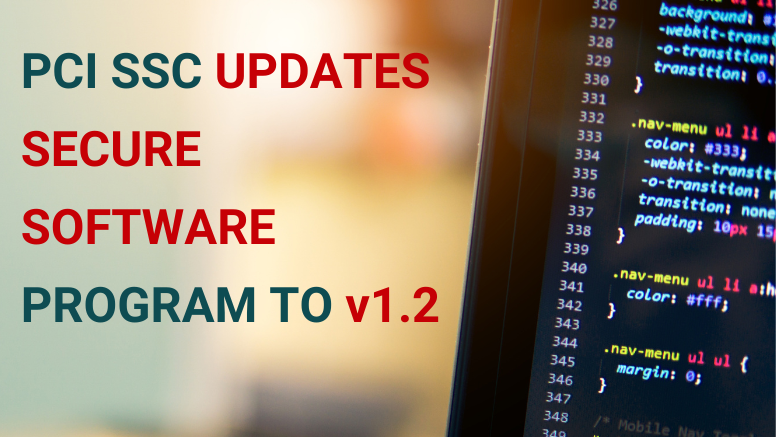
PCI SSC updates the PCI Secure Software Program v1.2
The latest security software standard, PCI SSF Secure Software Program v1.2, is designed to protect businesses from data breaches and cyberattacks. This program is the first of its kind, and it has been designed with the latest technology and security protocols to ensure that businesses can keep their customer’s data safe and secure. It is essential for companies to understand the new standard and how it works if they are to successfully protect their customers and their data.
Overview of the new program
The Payment Card Industry Security Standards Council (PCI SSC) has released its latest version of the Secure Software Program v1.2, which sets out updated security requirements for software that stores, processes, or transmits payment card data. This new update introduces New Security Requirements Module for Web Software and includes a number of changes aimed at strengthening the security of software used to process payments. The Web Software Module is a set of supplemental security requirements to address the most common security issues related to the use of internet-accessible payment technologies.
New High Level Requirement areas in the Web Software Module
The new PCI SSC Secure Software Program v1.2 offers a range of benefits, including:
- Documenting and tracking the use of open-source and third-party software components and APIs in payment software
- Controlling access to payment software web APIs and other critical assets
- Mitigating common web attacks
- Protecting communications between web-based payment software components
The PCI SSF is designed to provide a consistent, comprehensive set of guidelines for developing secure software, as well as a continuous improvement path to ensure the security of payment systems. The module is designed to help organizations identify and prioritize risk mitigation strategies, as well as implement software security best practices. It also includes resources such as prescriptive requirements, and informative guidance to help organizations secure their payment systems. With the Web Software Module, PCI SSC is providing the industry with an expanded framework for a stronger and more consistent approach to secure software development for the payments industry.
The new standard version 1.2 provides security guidance to software vendors and developers on how to protect software from malicious attacks, cyber threats, and other vulnerabilities. The new version includes updated recommendations on security best practices, such as secure development lifecycle processes, code review and testing, secure deployment and operations. The council has updated the document library with the revised:
- PCI Secure Software Standard v1.2
- Summary of Changes from PCI Secure Software Standard v1.1 to v1.2,
- PCI Secure Software Program Guide v1.2
- PCI Software Security Framework Qualification Requirements for Assessors v1.2
- PCI Software Security Framework Glossary v1.2
- PCI Software Security Framework Frequently Asked Questions for v1.2 Release
In conclusion, the new standard released by the PCI SSC Secure Software Program v1.2 is an important step forward in data security and a great opportunity for organizations to update their security systems and ensure the secure and efficient transmission of information. It is important to understand the changes and how they will affect your organization’s security. With the proper knowledge and implementation, you can make sure your organization is compliant and up to date with the latest data security standards.
For more details : https://www.pcisecuritystandards.org/about_us/press_releases/pci-security-standards-council-publishes-version-1-2-of-the-secure-software-standard-and-program/
From Start-up to Maturity – Building an Ecosystem
As is quite evident, the turn of the 21st Century has seen an extensive turnaround in attitudes and business practices. The corporate world also underwent a paradigm shift, and as a consequence, start-ups started popping up around the world.
There happens to be a fresh crop of enthusiastic founders and creative heads eager than ever to discover a ground-breaking product that would likely be a market hit bringing bouts of revenue. However, solely catering to revolutionary ideas and concepts is of no importance. Setting up a system to bring the concepts to action is what entrepreneurs look forward to.
Entrepreneurs require a cooperative and responsive working body on which they could rely to launch their start-ups not only for the betterment of the local economy but also for the general well-being of society.
Before learning how an ecosystem moves from start-up to maturity, let’s first dig into what a start-up ecosystem is.
Start-up Ecosystem: What Actually is it?
Building up a business empire has no linear way to its inception. The process incorporates various milestones to finally reach a point. Business start-ups too exist like that! Start-ups can’t eke out a solitary living, they are bound to be a part of a larger working system, networked to multiple other start-ups.
Entrepreneurs are backed by an extensive community of organizations, the general public, and other start-up ventures related to them. This co-existence of multiple working bodies is known as a Start-up Ecosystem.
Definition
The know-it-all, Wikipedia defines the start-up ecosystem as “An ecosystem formed by people, start-ups in their various stages and various types of organization in a location (physical or virtual), interacting as a system to create and scale new start-up companies”.
The Concept
The start-up ecosystem works upon the concept of “symbiotic association”. A start-up ecosystem functions on the principles of co-existence and interdependence. One entity of a start-up ecosystem can’t be independent of other members in the association.
The concept materializes upon the inception of a highly intertwined community with a shared pool of resources and cooperation.
Elemental Composition of Start-up Ecosystem
A start-up ecosystem has to pass through various developmental stages to finally make up the whole system work. In doing so, it moves from beginner level to full fledge maturity where the working of an ecosystem is at its highest point.
Scrutinizing over the general framework of a start-up ecosystem leaves us with individual elements. An amalgamation and harmonious work of all these elements bring forth the required platform of the start-up ecosystem.
Materializing the Start-up Venture
Start-up ventures take up a central position in a start-up ecosystem. They are the core of creation, disorder, and progression. They dictate the way of a start-up ecosystem and contribute towards the overall economic growth.
As is in most ventures, the inception of a start-up begins by materializing an idea. To materialize an idea, an entrepreneur looks for required members. This creates job opportunities for the general public. Once a team has been chosen, the venture is made public to make revenue.
Start-ups have varied kinds depending upon the idea being utilized. They range from dawning ventures to well-established empires. All these different sorts have their distinctive roles to accomplish. However, the parenting phenomenon governing each of these remains the same.
Talent Hunting in Educational Institutions
It is now a fact that educational institutions and technical colleges serve as the hub for a vital public resource that is talent. High schools, universities, and technical colleges play a vital role in fostering talent and preparing a fresh crop of entrepreneurs for coming generations.
Universities offering courses on entrepreneurship, innovation, marketing, managing, and e-commerce are carving a way for young bright minds to take up entrepreneurship as their full-time occupation. In an era of rapid technological advancements, changing world order and climate threats it is now crucial for higher educational institutions to equip their students to face the multiple challenges of the new world.
Start-ups working on these challenges could be readily taken by students equipped with contemporary knowledge and thought. Moreover, for additional trials, equipping the students with technological know-how has become very important. Students could be made to join boot camps and diploma courses to fuel up their résumé for becoming a part of their local start-up ecosystem. This is what exactly @QRC Assurance and Solutions has embarked upon.
Collaborating for Funding
Capital stands as a pivotal factor in fostering revenue. Funding providers such as investors, shareholders, loan lenders, and funding organizations act as a backbone for the working of a start-up on its way to maturity. To become successful, a start-up requires capital to be invested in not only building up the setup but also in public relations, incentives, and workspace management.
Start-ups do have special departments dedicated to money up the bank accounts for various purposes.
Substantiating with Incubators and Accelerators
Incorporating programs such as governance, mentorship, share-hold, problem-solving, and professional training comes under the vast umbrella term of incubators and accelerators. Their presence is vital for cementing an early-stage start-up of an ecosystem.
Programs such as these might provide a working space, tools, or even software development for start-ups. Joining one could give a better understanding of what goes on in the wider field. Motivational speakers, leaders, and established business tycoons could be invited for talks and seminars. Doing so widens up the prospects for potential investors and collaborators.
Co-working Spaces to the Rescue
Start-up ventures in their early stages are potentially devoid of proper working space. Due to a tight budget and meager funds, the employees often choose to work from coffee shops and specially designed co-working spaces using VPN services such as NordVPN to keep their activity secure.
Moreover, co-working spaces act as “start-up within a start-up” as it has a community of various entrepreneurs and collaborators. Freelancers, gig workers, and specialists could be found within arm’s reach.
Being in a co-working space opens up vast prospects to acquaint oneself with multiple business owners. Knowing and adopting their work ethics could prove to be highly beneficial. Moreover, co-working spaces have different employees working for different business ventures. You could get help from them if ever needed.
Others
Start-ups in their early stage have to be substantiated by various elements. Some of these elements include the assistance of agencies and consultants, service providers, mentors, tech experts, designers, event organizers, government assistance, social media, blog posts, research organizations, and corporations.
Building a Start-up Ecosystem
One of the common misconceptions regarding the inception of a start-up is that it is more or less a knock-on effect of a highly prospering economy. However, that is not always the case.
Start-ups could be seen thriving from a humble beginning and rising to the height of success. It doesn’t have to be the First World countries bagging up their banks with revenue. Chances of thriving and success are equal to all!
Countries with struggling economies and humble finances could be seen coming up with the most innovative and applicable start-up ideas.
Setting up a platform for building a start-up ecosystem has various carved steps that could be adopted for establishing your start-up. These steps are as follows:
1: Working on the Framework of a Start-up Ecosystem
It is rather crucial to set up a framework for your local ecosystem. There are various Apps on the virtual marketplace for this purpose. These Apps could be made to search for resources and frameworks of business activity in your region.
It is highly crucial to work out a scheme and a framework, to begin with. Apps such as the Start-up Ecosystem Canvas have proved to be immensely helpful and accessible.
2: Building the Community
Organizing entrepreneurial meet-up sessions, seminars, and workshops and joining a series of events could help develop engagement and work relations with other communities and entrepreneurs.
Joining virtual entrepreneurial spaces on social media assists in building a community for your venture. You could choose to involve the empires of your liking. Acquainting your team with professionals could prove to help inculcate confidence and motivation in your teammates.
3: Increasing the involvement
A good start-up ecosystem is potentially involved and connected. Entrepreneurs could involve other entrepreneurs, established businesses, and the general public by giving them incentives. You could ask the general public to devote their time to your start-up venture.
4: Becoming a Leader
Leading the crew from the front and collaborating with other ventures is the most crucial step for setting up a start-up ecosystem. Reaching out to other business communities, entrepreneurs, organizers, managers, and agencies is vital for building your start-up ecosystem.
Final Thoughts
A start-up will not take any specific number of years to become an established organization, but what it takes is, how far and deep, it has a process-orientation established, people centric policies are deployed, literally a hierarchy-less, performance oriented transparent and trustful environment is encouraged.
Finally, unless the resources working in a start-up take an ownership of their actions, even though they have been trained and deployed well, the ecosystem will not mature to make a High Impact.

What security requirements does the GDPR have?
Personal data must be “processed in a manner that ensures appropriate security of the personal data, including protection against unauthorized or unlawful processing and against accidental loss, destruction, or damage, using appropriate technical or organisational measures,” according to Article 5.1(f) of the GDPR. In essence, this is the security premise of the Regulation. The security of processing is governed by Article 32. Examples of suitable organisational and technical measures include:
- encryption and pseudonymization of personal data
- the capacity to maintain processing systems’ and services’ continued confidentiality, integrity, availability, and resilience
- the capability of recovering data accessibility and availability in the case of a physical or technological mishap
- a procedure for routinely examining, evaluating, and testing the efficacy of organisational and technical security measures.
- “Lawfulness, fairness, and transparency” refers to how data is processed in regard to the data subject.
- Collected for specific, clear, and legal purposes and not further processed in a way that is inconsistent with those purposes pursuant to Article 89(1), further processing for public interest archiving, scientific or historical research, or statistical purposes shall not be deemed to be inconsistent with the initial purposes (the “purpose limitation”)
- Adequate, pertinent, and strictly limited to what is required in light of the processing’s goals (data minimization)
- Accurate and, where necessary, kept current every effort must be made to ensure that personal data that is incorrect, taking into account the purposes for which it is processed, is immediately deleted or corrected
- Personal data may be stored for longer periods if they are processed solely for archiving in the public interest, scientific or historical research purposes, or statistical purposes in accordance with Article 89(1), subject to implementation of the necessary technical and organisational measures. Personal data must be kept in a form that makes it possible to identify data subjects for no longer than is necessary for the purposes for which they are processed.
- Processed in a way that guarantees adequate security of the personal data, including protection against unauthorized or unlawful processing and against unintentional loss, destruction, or damage (referred to as “integrity and confidentiality”), using appropriate technical or organisational methods.
Six distinctions between the PCI SSF and the PA-DSS
The Payment Card Industry Software Security Framework, introduced by PCI SSC, is a relatively new framework that will go into effect in October 2022. The PCI SSF is a collection of various codes and tools created to safeguard payment software. It’s a framework that was created to take the position of the Payment Application Data Security Standard (PA-DSS) with more up-to-date standards that support various payment software types, technologies, and development techniques.
- This made it simpler for your engineers to build your product around a set of fixed controls, with your assessor only checking to see if they were implemented.
- If they weren’t, the payment application didn’t satisfy the condition. It was either in place, it wasn’t in place, or it wasn’t applicable. The outcome was categorical.
- More flexibility is desirable but has potential drawbacks.
- Such flexibility means you’ll need to pay closer attention to your controls and win the support of your software stakeholders if you’re interested in implementing the new framework.
- You must determine your important assets in order to conduct your assessment.
- If certain associated objectives are not specified, it becomes an issue because the pertinent security objectives will need to be tested by your assessor using the essential assets that you specify.
- Your assessors won’t be able to test a significant portion of your programme without each security objective in place, which is terrible for your compliance.
- Be prepared to discuss these sites where you store sensitive data, both persistent and temporary.
- Additionally, you should be prepared to help with the setup of forensic tools in the testing environment so that your assessor can watch you securely delete sensitive data and monitor data retention.
Controls Guide for ISO 27001 – Part 2
This article is part of our ISO 27001 certification hub page, where we cover key concepts, requirements, and implementation steps for building a strong Information Security Management System. In this second part of the controls guide, we continue exploring ISO 27001 controls that help organizations manage security risks, improve compliance, and strengthen data protection practices.
What are the ISO 27001’s 14 domains?
In sections A.5 to A.18 of Annex A of ISO 27001, 14 “domains” are listed. The following is covered in the sections:
Annex A.5. Information Security Policies: Giving management guidance for information security policies is the goal of Annex A.5. The goal of this Annex is to manage information security guidance and support in accordance with the needs of the organisation and in compliance with applicable laws and regulations. Two controls are present in the Annex:
- A.5.1.1 Policies for Information Security – According to Annex A.5.1.1, a set of information security policies must be established, approved by management, published, and distributed to staff members and pertinent outside parties.
- A.5.1.2 Review of the Policies for Information Security – The information security policies must be evaluated on a regular basis or if significant changes take place, according to Annex A.5.1.2, to ensure that they continue to function in a stable, adequate, and efficient manner.
Annex A.6. Organization of Information Security:
- Annex A.6.1 is about the internal organization of information security. Establishing a management framework that starts and manages the application and operation of information security is the goal of this Annex.
- Annex A.6.1.1 Information Security Roles & Responsibilities specifies that each and every responsibility for information security must be identified and assigned. Responsibilities for information security might be generic (like protecting information) or specific (e.g. the responsibility for granting a particular permission).
Annex A.7. Human Resource Security:
- Annex A.7.1 is about employment and is concerned directly with human resources. Making sure that staff members are knowledgeable about their roles, well-trained, and qualified for them is the goal here. What transpires when people depart or switch responsibilities is also covered in this Annex. There are 6 controls in the Annex.
All job candidates are subjected to background checks and competence assessments. The obligations the employee and the organisation will both bear for adequate information security hygiene must be specifically stated in the contractual agreement signed by workers and contractors. The goal is to guarantee that workers and contractors understand and fulfil their information security obligations while on the job.
Annex A.8. Asset management:
Asset accountability is covered in Annex A.8.1. This Annex’s goal is to define and identify the information assets that are under the management system’s purview. They must also be given the proper protective obligations. There are 10 controls in the Annex. This Annex mandates the identification and management of all assets related to information processing facilities. Assets should be listed in a detailed inventory that outlines how they are handled and regulated.
Annex A.9. Access Control:
- Annex A.9.1 is about the business requirements of access control. This Annex control’s goal is to restrict access to information and information processing infrastructure. There are 14 controls in this Annex. This Annex requires that an access control policy be created, documented, and periodically evaluated while keeping the business needs for the assets in mind. Only the networks and network services that users actually need for their jobs should be granted access to users. All user types must have access rights to all systems and services, and a procedure must be put in place to grant or withdraw those rights.
Annex A.10. Cryptography:
- Annex A.10.1 is about Cryptographic controls. Here, protecting the confidentiality, authenticity, and/or integrity of information through the right and efficient use of cryptography is the goal. There are two controls in this Annex. A policy for the usage and security of cryptographic keys should be established in accordance with the criteria of this Annex. All stages of the keys’ life should be covered by this policy. Additionally, a procedure should be in place for the generation, transfer, modification, backup, and storage of cryptographic key material all the way up until its demise.
Annex A.11. Physical and environmental Security:
- Annex A.11.1 is about ensuring secure physical and environmental areas. Preventing illegal physical access, property damage, and interference with the organization’s information and information processing facilities is the goal of this Annex. There are 15 internal controls in total. For places that house either sensitive or crucial information, this Annex should include a thorough explanation of the security perimeters and bounds. This comprises locations with tools for information processing, such as computers, laptops, etc. To ensure that only authorized people are granted access, secure locations need to be safeguarded with the proper entry restrictions. Additionally covered by this Annex are operations interruptions and asset loss, damage, theft, or compromise.
Annex A.12. Operations security:
- Annex A.12.1 is about Operational Procedures and Responsibilities. This Annex’s goal is to guarantee the reliable and secure functioning of information processing facilities. There are 14 controls in all. Operating procedures shall be documented and made available to all users upon request in accordance with this Annex. Operating procedures that have been properly documented ensure that systems will function consistently even when additional personnel or resources are added. They are frequently essential for disaster recovery, business continuity, and when staff availability is jeopardized. Malware Defence is also covered in this Annex. The goal is to secure data centers and other information-processing infrastructure from malware intrusion.
Annex A.13. Communications security:
- Annex A.13.1 is about Network Security Management. This Annex’s goal is to guarantee the security of data in networks and the information processing facilities that enable them. There are 7 controls in this Annex. To safeguard the information included in systems and applications, networks must be monitored and under strict supervision. This means that the company needs to have procedures that guarantee the security of the data included in its systems and applications.
- Annex A.13.2 is about information transfer. This Annex’s goal is to protect the confidentiality of information shared within the company and with any outside party, such as a client, a supplier, or other interested parties.
Annex A.14. System Acquisition, Development and Maintenance:
- Annex A.14.1 is about security requirements of information systems. The goal is to make sure that throughout the lifecycle of information systems, sound information security procedures are maintained as a core component. This covers the specifications for information systems that offer services across open networks. There are 13 controls in this Annex. Any specifications for brand-new information systems or improvements to the current information systems must include information security-related requirements.
- Annex A.14.2 is about process security throughout development and support. This Annex’s goal is to make sure that information security is planned for and implemented throughout the information system development lifecycle.
Annex A.15. Supplier Relationships:
- Annex A.15.1 is about supplier relationships and information security. The goal is to safeguard the company’s priceless assets from suppliers who may have access to or influence them. This should also encompass other important relationships, such those with business partners. There are 5 controls in this Annex.
- Annex A.15.2 is about managing Supplier Service Development. This Annex’s goal is to make sure that, in accordance with supplier agreements, a certain degree of information security and service delivery is maintained.
Annex A.16. Information Security Incident Management:
- Annex A.16.1 is concerned with managing information security events, incidents, and weaknesses. The goal is to make sure that incidents, occurrences, and weaknesses are handled consistently and effectively throughout their lifecycle. There are 7 controls in this Annex. These controls outline how management must set up roles and processes to guarantee a prompt, efficient, and systematic response to flaws, events, and security incidents.
Annex A.17. Information Security Aspects of Business Continuity Management:
- Annex A.17.1 Continuity of Information Security is the topic. The goal is to integrate business continuity management systems for the firm with information security continuity. There are 4 controls in this Annex. The company must ascertain its particular needs for information security and consider how information security management will continue in difficult circumstances, such as during a crisis or tragedy.
Annex A.18. Compliance: Annex
- A.18.1 is about adhering to statutory and contractual obligations. The goal is to prevent violations of any security standards as well as of any legal, statutory, regulatory, or contractual duties linked to information security. There are 8 controls in this Annex.
- Annex A.18.2 is about evaluations of information security. The goal is to make sure information security is run in compliance with organizational rules and procedures.
When information like this seems overwhelming, knowledgeable cyber security companies like QRC may step in and help streamline the process. Organizations are not obligated to use all 114 of ISO 27001’s controls, as we previously discussed. It is merely a list of things that must be done in accordance with the risk assessment made by your firm. For you and your management team, the standard serves as a roadmap for establishing, putting into place, maintaining, and continuously enhancing an effective information security management system. With all of the aforementioned basic controls in place, you’ll have a smooth procedure that will assist your company in identifying and promptly mitigating possible hazards.
Read more about this: Advantages of ISO/IEC 27701:2019 certification